Interview with Song Saa Private Island GM
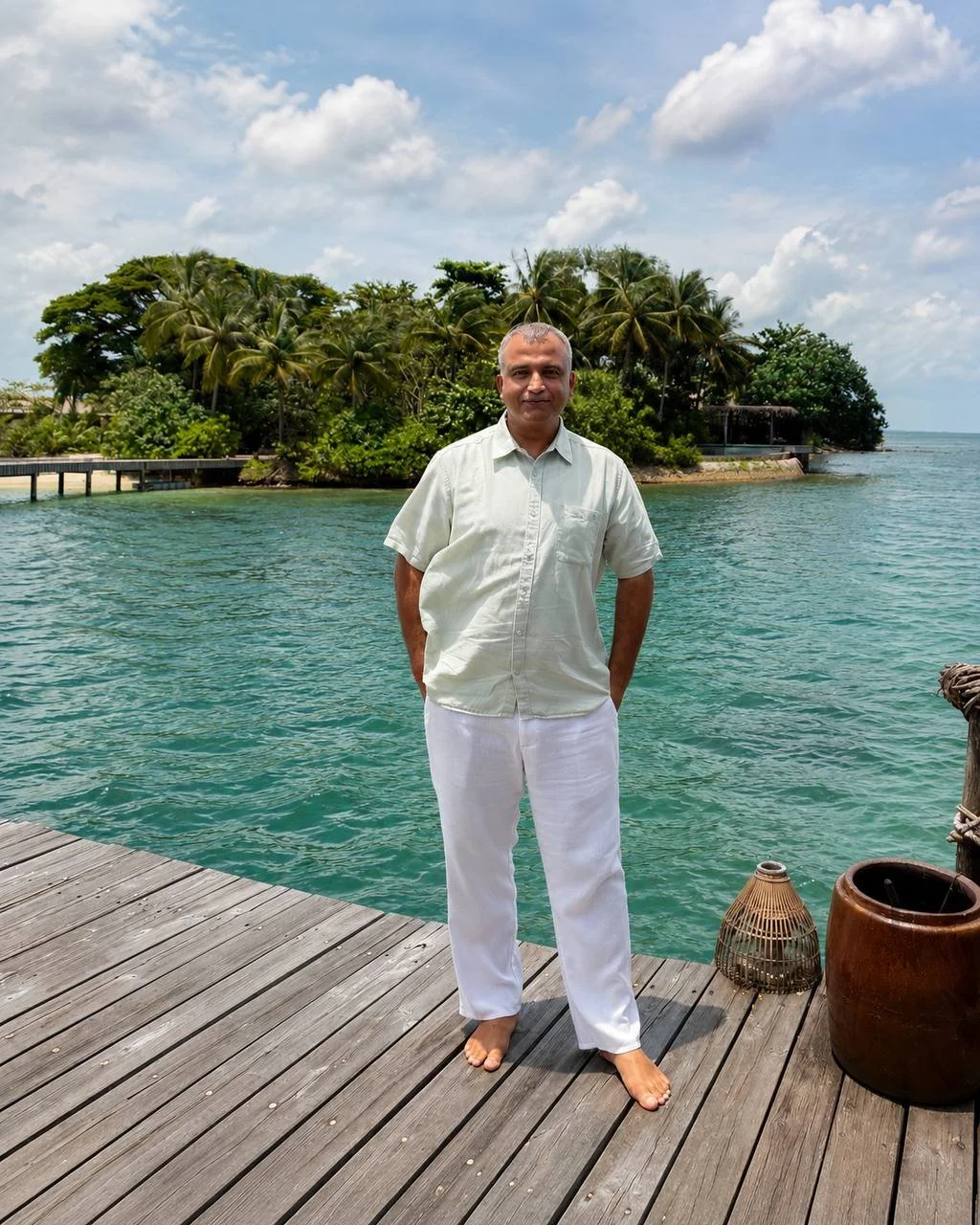
We spoke to Song Saa Private Island General Manager, Manish Sharma, about what he thinks are the biggest misconceptions about Cambodia… and what he wishes travellers knew about the destination instead.
Cambodia is just Angkor Wat and Phnom Penh
For many travellers, Cambodia begins and ends with Siem Reap and Angkor Wat. There is no question that Angkor is extraordinary and one of the world's great cultural experiences, but it represents only one part of the country.
Having spent time across Siem Reap, Phnom Penh and the islands, what has struck me most is the extraordinary diversity beyond the major landmarks: vast rice paddies, rivers, floating communities, forests, mountains, the Tonle Sap, coastline and islands.
But the true essence of Cambodia lies in its people and their everyday way of life. You see it in local markets, roadside businesses, farmers working their fields and the simple interactions that happen every day. There is a warmth to Cambodian hospitality that feels genuine rather than transactional.
Working at Song Saa has given me a different perspective on the country. You begin to understand that Cambodia is not only about what you see; it is about the relationship between people, nature and community.
Cambodia is unsafe or difficult to travel around
Cambodia is remarkably safe. In fact, I have often felt safer walking around here than I do in cities such as Rome or Milan.
Travelling through the country can be slower than travelling through more established destinations in the region, but I don't necessarily see that as a disadvantage. The slower pace of road travel gives you an opportunity to take in the landscape and experience the country differently.
There are, of course, connectivity challenges, particularly when it comes to international air access, and this is something Cambodia will need to continue improving as tourism develops. But once guests arrive, I often find their perception changes considerably.
Cambodia should be compared with Thailand or Vietnam
Cambodia is sometimes judged against its neighbours in terms of infrastructure, scale, shopping, entertainment and the number of established tourism destinations. I don't necessarily think that is the right comparison.
Cambodia has developed its own character and its own pace. It does not need to offer everything its neighbours offer. There is still a sense of discovery here, and in many places, you can experience the country without feeling that everything has been created purely for tourism.
For me, that is one of Cambodia's greatest strengths. It doesn't need to become another Thailand or Vietnam. It should continue to develop while protecting what makes it distinctly Cambodian.
Song Saa is simply another private island resort, like those in the Maldives
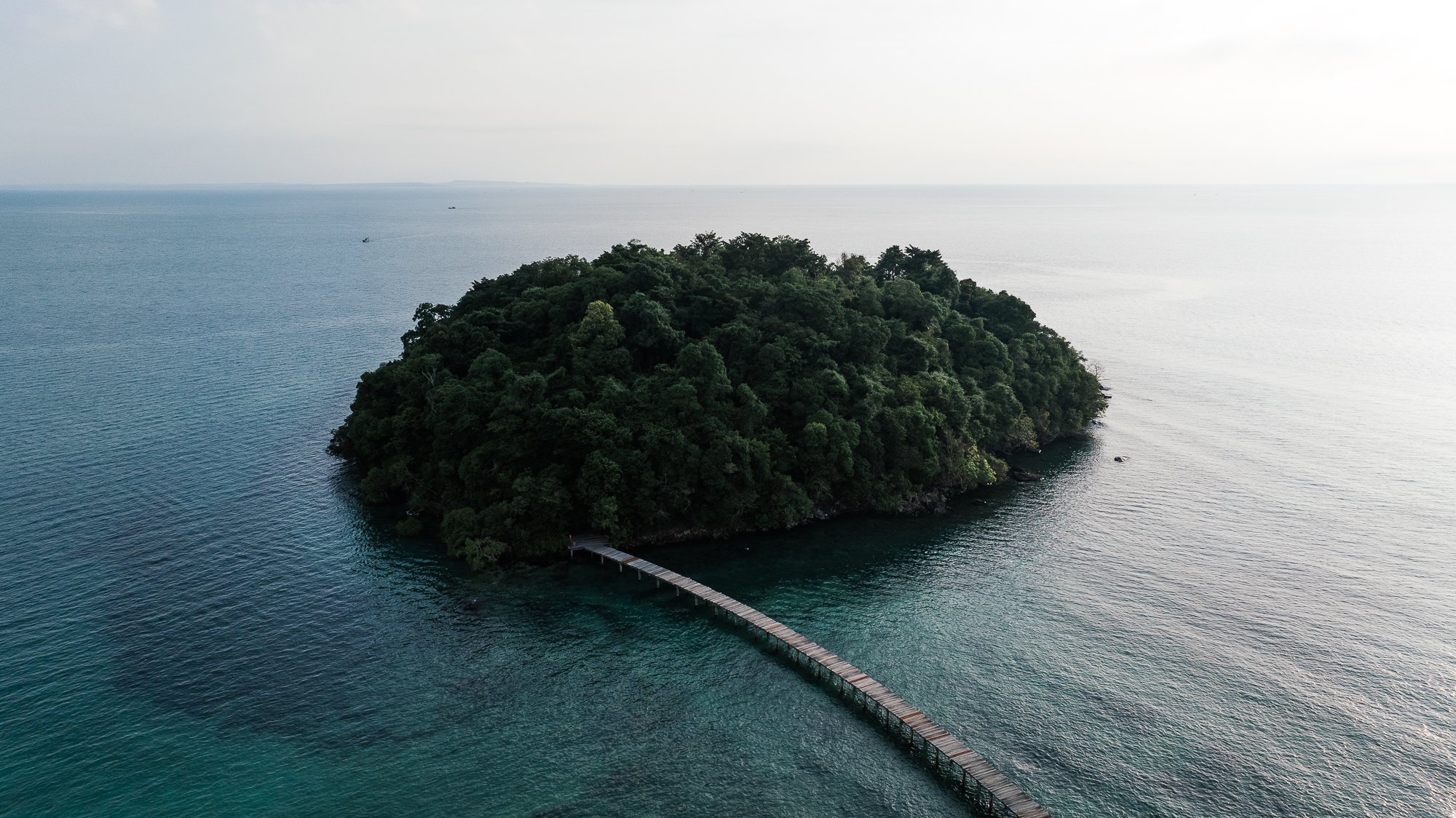
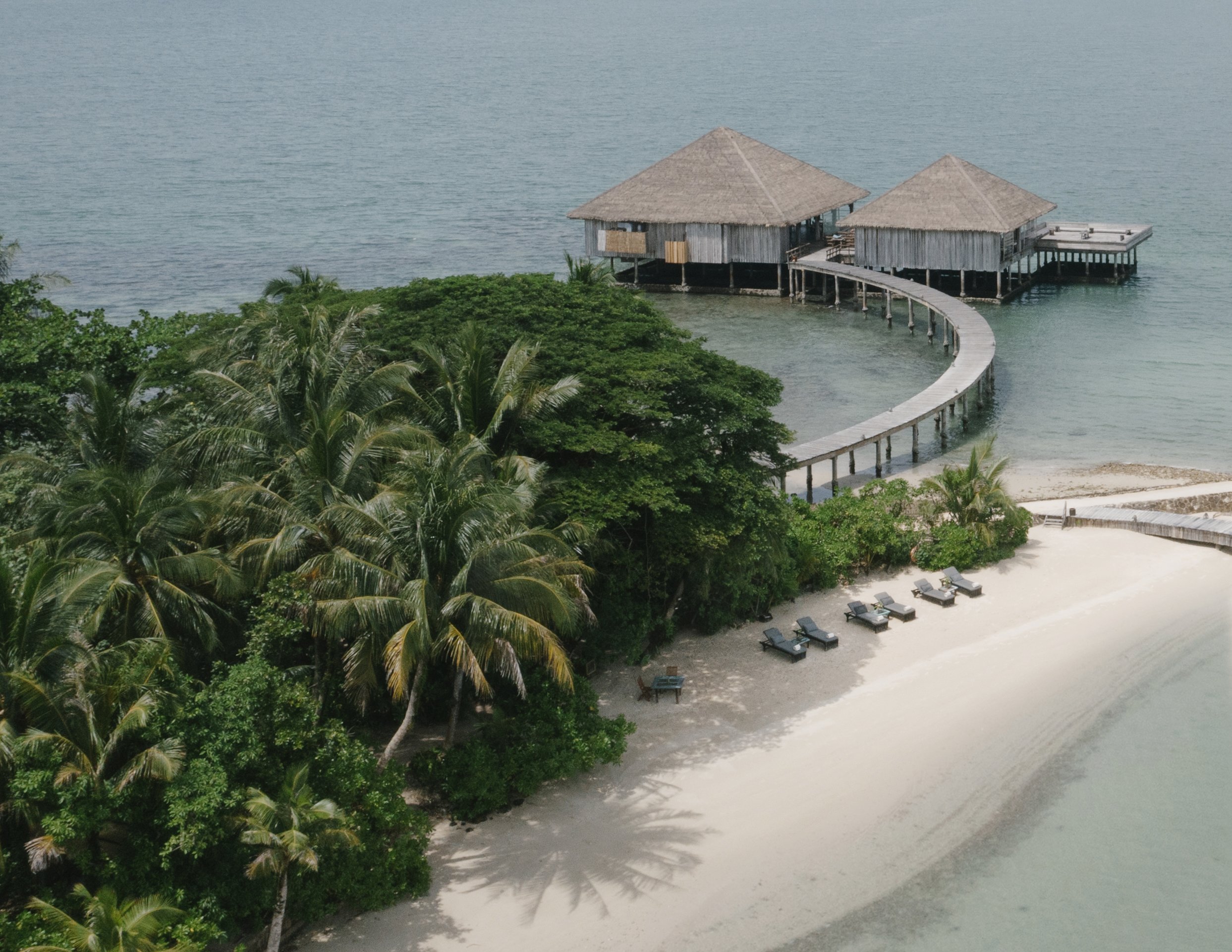
Song Saa offers something quite different from the conventional private-island resort experience. Its intimate scale, dense vegetation and protected natural environment create a genuine sense of sanctuary.
There is very little of the constant movement associated with larger island destinations – no steady hum of speedboats, seaplanes and overhead flights. Instead, time is marked by sunrise and sunset, the rhythm of the tides and currents, and the occasional sound of local fishing boats passing by.
For me, that sense of privacy, nature and stillness is one of Song Saa's defining qualities. It is luxury expressed through space, time, privacy and genuine human connection rather than simply through what can be added to a resort.
Cambodia is a destination you visit, rather than a destination you experience
Perhaps the biggest misconception is that you can understand Cambodia through a handful of major sights. You can visit Angkor, take a few photographs and leave with a very good impression. But if you spend more time here, the country begins to reveal itself differently.
Eat the local food. Spend time with communities. Take a boat. Visit the countryside. Explore the islands. Understand where the food comes from. Learn about the marine environment. Have a conversation with a local host. These are the experiences that stay with you, often much longer than another item on an itinerary.
For me, Cambodia's opportunity is not to become the next Thailand, Bali or Vietnam. It is to become an even better version of Cambodia — developing its tourism industry while protecting its culture, communities and natural environment.